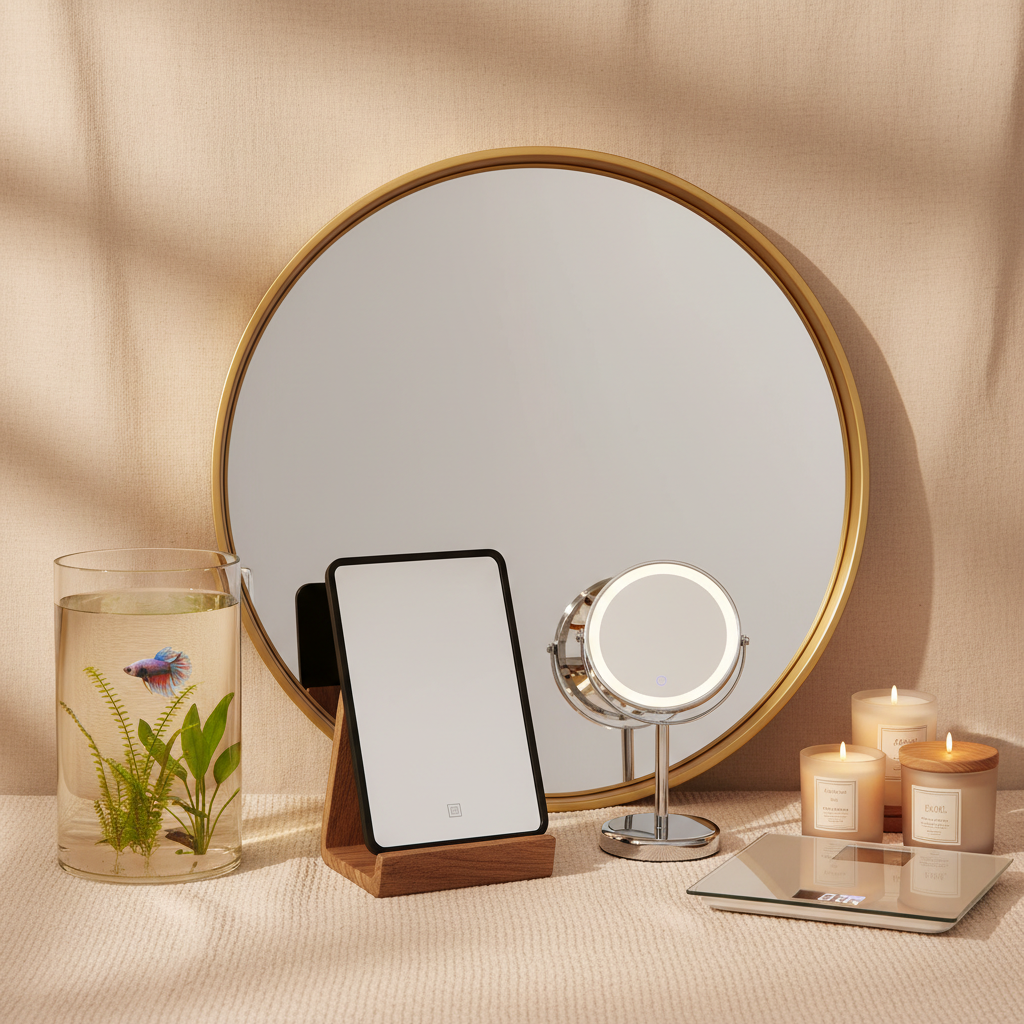
Look, I’ve been working construction sites for fifteen years now. Seen a lot of materials come and go, a lot of “innovations” that didn't quite pan out. But understanding the different types of mirrors – not just the glass, but how they’re made, where they’re used – that’s fundamental. It's not just about looking at your reflection; it’s about safety, efficiency, and frankly, getting the job done right. Different projects demand different mirror types, and knowing the nuances can save you time, money, and potential headaches down the line. It’s a surprisingly critical aspect of modern construction and design.
The sheer variety of mirror types available today is something else. From standard float glass mirrors for basic applications to specialized options like two-way mirrors for security or anti-reflective glass for museums, the options can be overwhelming. What I’ve learned is that understanding why each type exists, the compromises made in its creation, and the specific scenarios where it shines – that’s where the real value lies. It’s about more than just grabbing the cheapest option; it's about choosing the right tool for the job.
We’re seeing a growing demand for mirrors in unusual places, too. Not just in bathrooms and storefronts, but integrated into architectural features, used for solar energy applications, even in specialized industrial equipment. This expanding scope means that staying current on the latest advancements in mirror technology is crucial for anyone involved in building, design, or engineering. It’s a field that’s constantly evolving, and you need to keep learning to stay ahead.
The Importance of Understanding Mirror Types
I’ve seen too many projects delayed or compromised because the right type of mirror wasn’t specified. It's not just an aesthetic choice; it's a functional one. Consider a high-traffic retail space – you need a durable mirror that can withstand impacts and won’t easily scratch. Or a hospital operating room – you need a mirror that provides a perfectly clear, distortion-free reflection for surgical procedures. Selecting the right mirror is a matter of safety, performance, and ultimately, quality.
The global market for mirrors and mirror glass is substantial, estimated to be in the billions of dollars annually (sources like Statista and market research reports consistently show significant growth). This isn’t just about vanity; it reflects the increasing demand for mirrors across diverse sectors including automotive, aerospace, and renewable energy. Ignoring the specific requirements of these different sectors is a recipe for costly mistakes.
Defining Mirror Types in Practical Terms
When I talk about ‘mirror types,’ I’m not just referring to the shape or size. It's about the composition of the glass, the reflective coating applied, and the manufacturing process. A standard float glass mirror, for instance, is created by applying a thin layer of silver or aluminum to the back of a sheet of glass. But then you get into things like silvered mirrors, aluminum mirrors, front-surface mirrors, and dichroic mirrors – each with its own unique properties and applications.
This directly impacts modern industry. For example, aerospace uses specialized mirrors for optical systems, requiring extreme precision and durability. In automotive, mirrors are crucial for safety, with features like auto-dimming and blind-spot monitoring. And in the humanitarian sector, durable and lightweight mirrors are essential for disaster relief efforts, providing victims with a basic necessity for personal hygiene and morale.
It’s about understanding the underlying principles. A two-way mirror, for example, isn’t magic; it's a sheet of glass with a very thin, semi-transparent reflective coating that allows light to pass through from one side while reflecting it from the other. Knowing how these things work gives you the power to choose the right solution for any situation.
Key Factors Influencing Mirror Selection
Durability is a big one, especially on a construction site. You need a mirror that can handle the rough and tumble of daily use. That means considering the thickness of the glass, the quality of the backing, and whether it has any protective coatings. A thicker glass is obviously more resistant to breakage, but it also adds weight and cost.
Optical quality is critical in many applications. Distortion-free reflection is essential for medical procedures, scientific instruments, and even high-end retail displays. This is affected by the flatness of the glass, the uniformity of the coating, and the absence of any imperfections. It's not always visible to the naked eye, but it can make a huge difference in the overall performance.
Cost, of course, is always a factor. But you can’t just go with the cheapest option. You need to weigh the cost against the performance and durability. Sometimes, spending a little more upfront on a higher-quality mirror can save you money in the long run by reducing the need for replacements or repairs.
Global Applications and Industry Use Cases
You see mirror types used everywhere. In architecture, large format mirrors are creating stunning visual effects and expanding spaces. In the automotive industry, side mirrors and rearview cameras are essential safety features. And in renewable energy, concentrating solar power plants use mirrors to focus sunlight and generate electricity.
I’ve worked on projects in Europe where historical buildings required perfectly replicated antique mirrors. In the Middle East, we installed massive mirrored facades on skyscrapers, requiring specialized coatings to withstand extreme temperatures. And in disaster relief operations in Southeast Asia, we distributed small, durable mirrors to communities affected by typhoons.
These applications demonstrate the versatility of different mirror types and the importance of selecting the right solution for the specific environment and requirements. A mirror designed for a bathroom won’t cut it in a solar power plant. It’s that simple.
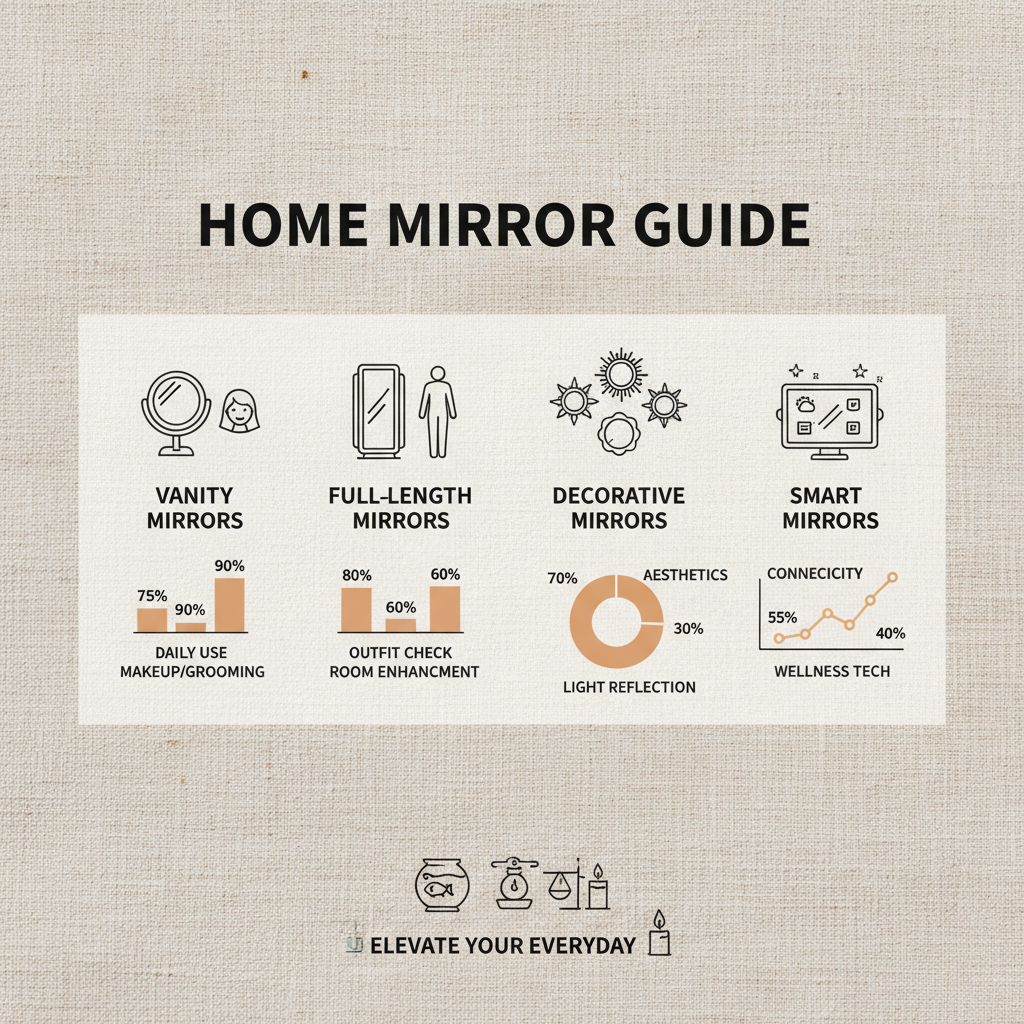
Mirror Types Performance Comparison
Advantages and Long-Term Value of Optimized Mirror Use
Choosing the right mirror isn’t just about short-term cost savings. It's about long-term value. A durable, high-quality mirror will last longer, reducing the need for replacements and minimizing maintenance costs. And in applications where safety is critical, the investment in a reliable mirror can prevent accidents and protect lives.
From a sustainability standpoint, selecting mirrors with environmentally friendly coatings and manufacturing processes is becoming increasingly important. And using mirrors to maximize natural light can reduce energy consumption and lower utility bills. It’s about building smarter, not just building bigger.
Future Trends and Innovations in Mirror Technology
We’re seeing some exciting developments in the mirror world. Smart mirrors with integrated displays and sensors are becoming more common, offering features like weather updates, news feeds, and even fitness tracking. And researchers are developing new types of coatings that can enhance reflectivity, reduce glare, and improve durability.
The integration of mirrors with augmented reality (AR) and virtual reality (VR) technologies is also opening up new possibilities. Imagine a virtual fitting room that allows you to try on clothes without actually having to change, or a surgical simulator that uses mirrors to provide a realistic training experience.
Common Challenges and Practical Solutions
One of the biggest challenges is dealing with mirror breakage during shipping and installation. Proper packaging and handling are crucial, but even then, accidents can happen. Using safety glass or laminated mirrors can help minimize the risk of injury.
Another challenge is maintaining the clarity of mirrors over time. Dust, dirt, and fingerprints can all reduce reflectivity. Regular cleaning with a mild detergent and a soft cloth is essential. And in harsh environments, applying a protective coating can help prevent corrosion and damage.
Finally, sourcing high-quality mirrors from reputable suppliers is key. Don’t just go with the lowest bidder. Look for suppliers who can provide documentation of their quality control processes and offer warranties on their products.
Summary of Mirror Type Selection Considerations
| Mirror Type |
Typical Applications |
Durability Rating (1-10) |
Cost Factor (Low/Medium/High) |
| Standard Float Glass |
Bathrooms, Retail Displays |
6 |
Low |
| Silvered Mirror |
Antique Mirrors, High-End Decor |
7 |
Medium |
| Aluminum Mirror |
General Purpose, Industrial Applications |
5 |
Low |
| Two-Way Mirror |
Security, Observation Rooms |
8 |
High |
| Anti-Reflective Glass |
Museum Displays, Art Galleries |
6 |
Medium |
| Laminated Mirror |
Safety-Critical Areas, High-Traffic Zones |
9 |
Medium |
FAQS
Both silver and aluminum are used to create reflective coatings on glass, but silver provides a brighter, more accurate reflection. However, silver is more expensive and prone to corrosion. Aluminum is more durable and cost-effective, making it a popular choice for general applications where ultimate clarity isn’t essential. Think of it like choosing between a high-end paint and a standard exterior paint – both get the job done, but one offers superior performance.
Fogging happens when warm, moist air condenses on the cooler surface of the mirror. You can prevent it by improving ventilation (running the exhaust fan), applying an anti-fog coating, or using a heated mirror pad. A simple DIY solution is to rub a bit of shaving cream on the mirror and then wipe it off – it leaves a residue that helps prevent condensation.
Laminated mirror is made by bonding a layer of safety film to the back of the glass. If the mirror breaks, the glass fragments will adhere to the film, reducing the risk of injury. This makes it ideal for high-traffic areas, children’s rooms, or any location where safety is a concern. It’s a little more expensive, but the peace of mind is worth it.
Standard mirrors aren’t designed for outdoor use and will quickly degrade due to exposure to the elements. However, specialized outdoor mirrors are available, often made with thicker glass, weather-resistant coatings, and a waterproof backing. These are designed to withstand rain, sun, and temperature fluctuations.
The key is to use a clean, lint-free microfiber cloth and a mild cleaning solution – a mixture of water and vinegar works well. Avoid harsh chemicals or abrasive cleaners. Spray the solution onto the cloth, not directly onto the mirror, and wipe in a circular motion. Finally, buff with a dry microfiber cloth to remove any remaining streaks.
Large mirrors are fragile and require careful handling during transport. Always use a dedicated mirror box or wrap the mirror in several layers of protective material, such as bubble wrap and cardboard. Clearly label the box as “Fragile” and handle it with care. It's best to transport it in an upright position and avoid laying it flat.
Conclusion
We’ve covered a lot of ground, from the basic types of mirrors to the latest innovations and challenges. The key takeaway is that choosing the right mirror is a critical decision that impacts safety, performance, and long-term value. Don't underestimate the importance of understanding the nuances of different mirror types – it can save you time, money, and headaches down the road.
As technology continues to evolve, we can expect to see even more exciting developments in the world of mirrors. From smart mirrors to augmented reality applications, the possibilities are endless. Staying informed and embracing innovation will be essential for anyone involved in the construction, design, or engineering industries. For more information and to explore our range of mirror solutions, visit our website: www.chnmst.com.