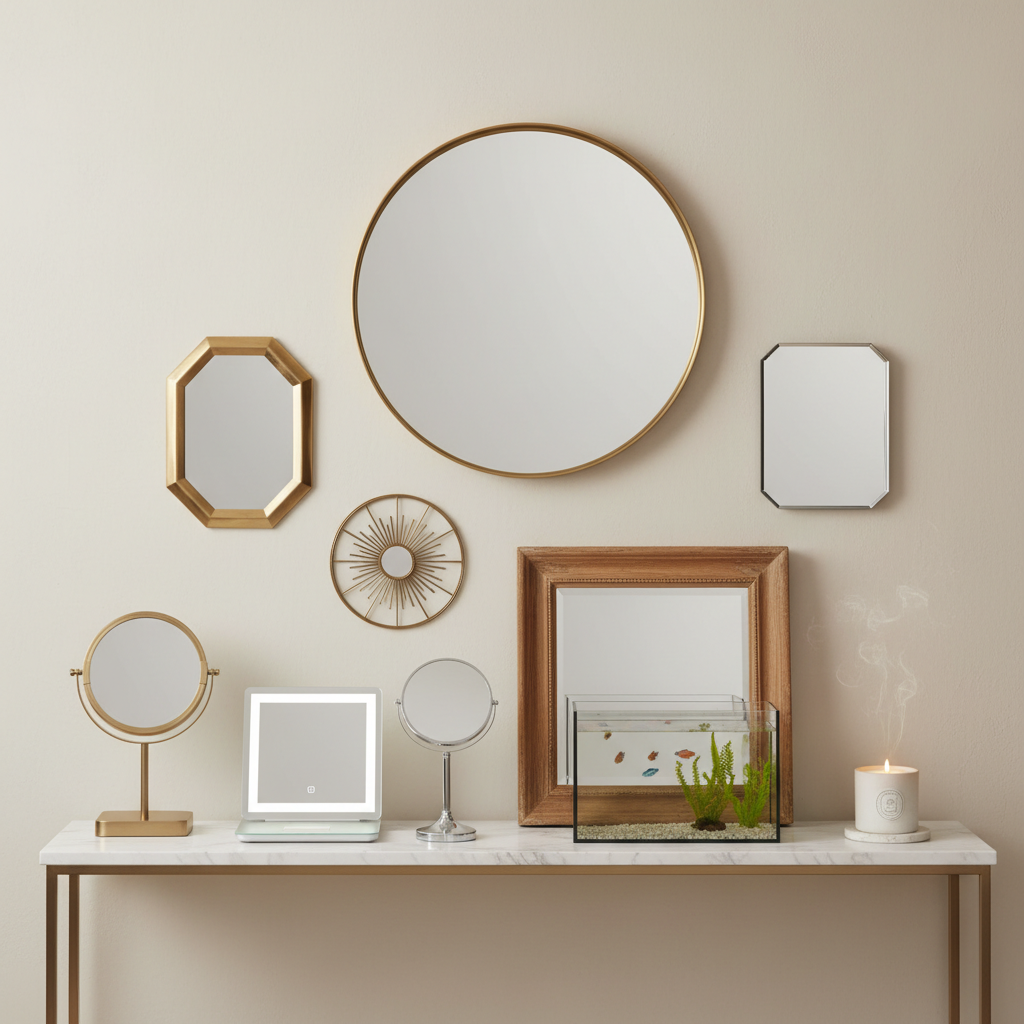
When looking for a floor mirror buy, users are typically seeking a blend of functional reflection and aesthetic elevation for their living spaces. A high-quality floor mirror serves as more than just a tool for grooming; it acts as a strategic interior design element that can visually expand a room, amplify natural light, and create a sophisticated focal point in bedrooms or dressing areas.
However, many consumers struggle with common issues such as distorted reflections, unstable frames that risk tipping, and inadequate lighting for detailed makeup application. Selecting a mirror that balances opulence with structural integrity requires an understanding of materials—ranging from aluminum alloys to velvet—and the integration of modern technology like adjustable LED strips.
This guide provides a comprehensive analysis of floor mirror selection, examining technical specifications, material durability, and application scenarios. By the end of this article, you will be able to identify the critical factors that differentiate a luxury vanity mirror from a standard glass panel, ensuring your purchase aligns with both your functional needs and interior style.

1Understanding Floor Mirror Types and Basics

A floor mirror is a specialized glass product designed to stand independently or lean against a wall, providing a full-body reflection. Unlike wall-mounted mirrors, floor mirrors offer greater flexibility in placement and often incorporate more substantial framing to ensure stability. In the glass manufacturing industry, these products are categorized by their glass thickness, coating quality, and the structural integrity of their support bases.
The primary objective of a floor mirror buy is to achieve a "true reflection," meaning the mirror should not warp the image regardless of the viewing angle. This is achieved through high-precision glass grinding and silvering processes that ensure a perfectly flat surface.
From a technical perspective, the choice between a rectangular vanity mirror and an irregular art mirror depends on the desired balance between utility and decoration. While rectangular shapes are ideal for precise makeup and dressing, irregular shapes serve as modern art pieces that soften the geometric lines of a room.
2Core Features of Premium Glass Mirrors
Premium mirrors are defined by their clarity and the quality of their illumination. For instance, high-end vanity mirrors often feature built-in LED strips that provide a soft, flattering glow. This is essential for makeup application where shadows can lead to uneven results. Adjustable brightness settings allow the user to mimic different lighting environments, from natural daylight to dim evening settings.
Beyond lighting, the frame serves as the structural backbone. Materials such as aluminum alloy provide a sleek, modern look and excellent corrosion resistance, while MDF and velvet frames offer a more classic, opulent feel. The choice of frame directly impacts the mirror's weight and its center of gravity, which is critical for safety in households with children or pets.
Advanced manufacturing now allows for the integration of crystal accents and shimmering finishes, transforming a functional object into a piece of luxury furniture. These accents are not merely decorative; they are carefully encrusted to ensure they do not interfere with the mirror's stability or the LED circuitry.
3Application Scenarios for Full-Length Mirrors
The application of a floor mirror varies significantly depending on the environment. In a master bedroom, a large floor mirror is often placed opposite a window to maximize the entry of natural light, making the space feel larger and more airy. In a boutique display or retail setting, mirrors are used strategically to enhance the customer's viewing experience of apparel, requiring high-clarity glass that doesn't distort the fit of clothing.
For dressing areas, the focus shifts toward utility. A rectangular vanity mirror with integrated lighting becomes the center of the grooming routine. The stability of the base is paramount here, as the mirror must remain steady on vanities or dressers during active use.
In luxury hotels or high-end residences, art mirrors and wrought iron window mirrors are used as decorative accents. These products prioritize aesthetic value and thematic consistency over purely functional grooming needs, often acting as a bridge between the room's architecture and its interior decor.
4Performance Metrics and Visual Clarity
When evaluating the performance of a floor mirror buy, visual clarity is the most critical metric. This is measured by the absence of "ghosting" (double images) and distortion. High-precision glass sheets, such as those produced in specialized manufacturing zones, undergo rigorous testing to ensure the surface remains flat across the entire area of the mirror.
Another key metric is the durability of the silvering layer. Low-quality mirrors often suffer from "black edges" or oxidation over time. Professional-grade mirrors use advanced protective coatings that shield the reflective layer from moisture and air, extending the product's lifespan significantly.
floor mirror buy Performance Metrics
Stability is the final performance pillar. A mirror's safety is determined by its base design and the weight distribution between the glass and the frame. A wider, heavier base ensures that the mirror remains stable even when leaned at an angle, reducing the risk of accidental falls in high-traffic areas.
5Procurement Guide for Quality Glassware
For businesses or individuals seeking a floor mirror buy, the procurement process should focus on manufacturer capability and material certification. A professional manufacturer, such as Milestone Hainan Technology Co., Ltd, utilizes advanced equipment and professional R&D teams to ensure that every mirror meets high export standards. Checking for factory size and the expertise of the skilled workforce can provide a baseline for quality expectations.
Compatibility with the target environment is also crucial. For bathroom or humid areas, mirrors must have enhanced moisture-resistant coatings. For outdoor or garden use, wrought iron frames with weather-proof paint are necessary to prevent rust and degradation.
Finally, consider the logistics of shipping. Glass is inherently fragile. Ensuring that the supplier uses industry-standard protective packaging and has a proven track record of exporting to countries like the US, Canada, and the EU is essential to avoid receiving damaged goods.
6Future Trends in Smart Mirror Technology
The mirror industry is shifting toward "smart" integration. We are seeing a rise in mirrors that do more than reflect; they integrate touch-sensitive controls for LED lighting, anti-fogging heating elements for bathroom use, and even embedded displays for time and temperature. These innovations turn a static piece of furniture into an interactive device.
Sustainability is another driving force. The use of recyclable aluminum alloys and eco-friendly glass production methods is becoming a priority. Manufacturers are focusing on reducing waste during the cutting process and using non-toxic adhesives for frame assembly.
Customization is also expanding. Users can now specify not only the shape and size but also the glass thickness and the specific hue of the LED lighting. This allows for a perfect match with the specific architectural lighting of a luxury home or a corporate office.
7Comparison of Frame Materials and Styles
Choosing the right frame is a trade-off between weight, durability, and aesthetics. Aluminum is the go-to for those seeking longevity and a contemporary feel, as it resists scratches and moisture. In contrast, MDF and velvet are preferred for high-glamour settings, providing a softness and richness that metal cannot replicate.
The shape of the mirror also dictates its primary use. While rectangular mirrors are the standard for functional utility, irregular and round mirrors are increasingly used as focal art pieces that add a dynamic element to the room's geometry.
| Frame Material | Primary Style | Main Strength | Typical Fit |
|---|---|---|---|
| Aluminum Alloy | Modern / Minimalist | Corrosion Resistance | Bathrooms / Modern Lofts |
| MDF / Wood | Classic / Transitional | Cost-Effective | Bedrooms / Traditional Homes |
| Velvet / Fabric | Opulent / Luxury | Visual Softness | Vanities / Boutique Hotels |
| Wrought Iron | Rustic / Industrial | Extreme Durability | Gardens / Entryways |
| Frameless | Ultra-Modern | Seamless Look | Contemporary Galleries |
| Crystal Accents | Glamorous | High Light Refraction | Luxury Dressing Rooms |
Ultimately, the selection should be based on the environment's humidity, the user's aesthetic preference, and the intended function of the mirror. A luxury vanity mirror with LED strips and crystal accents is an investment in both grooming quality and room ambiance.
Frequently Asked Questions
Conclusion
Selecting the perfect floor mirror requires a careful balance of material science, structural engineering, and interior design. Whether you are seeking a high-precision vanity mirror for detailed grooming or an art piece to enhance your home's atmosphere, focusing on glass clarity, frame stability, and lighting quality will ensure a satisfactory purchase. Avoiding common pitfalls like distorted reflections and unstable bases is the key to a long-term investment in your living space.
For those evaluating professional manufacturing solutions or customized glass specifications, more detailed product information and customization options can be reviewed at www.milestonea.com.